
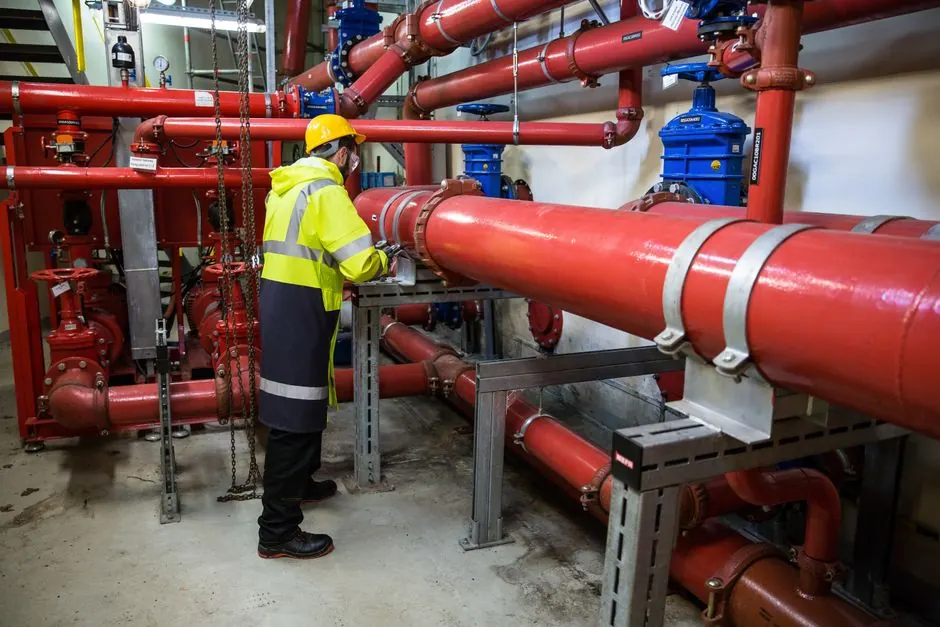
Pipe leaks can cause significant damage to your home, often leading to costly repairs and extensive water damage. Understanding how to inspect your pipes for leaks can save you from a plumbing emergency. This guide provides practical steps you can take to identify potential leaks before they escalate, ensuring your peace of mind in your Austin home.
Understanding Pipe Leaks
Pipe leaks occur when water escapes from a pipe due to a crack, corrosion, or a loose connection. In Austin, where older homes are prevalent, the risk of pipe leaks increases due to the wear and tear of aging plumbing systems. Additionally, fluctuating temperatures can exacerbate these issues, leading to more frequent leaks.
Signs of a Potential Leak
Being aware of the signs of a leak is crucial for early detection. Here are some common indicators:
- Unexplained Water Bills: A sudden spike in your water bill without any change in usage can indicate a hidden leak.
- Water Stains: Look for discoloration on walls, ceilings, or floors, which may signify a leak behind the surface.
- Mold Growth: The presence of mold or mildew in areas not typically damp can suggest a persistent leak.
- Sound of Running Water: If you hear water running when no taps are open, you may have a leak.
How to Inspect Your Pipes
Regular inspections of your plumbing can help you catch leaks early. Here's how to conduct a thorough inspection:
- Visual Inspection: Start by examining exposed pipes in your home, particularly in basements, under sinks, and in crawl spaces. Look for any signs of moisture, corrosion, or damage.
- Check Water Meter: Turn off all water fixtures in your home and note the reading on your water meter. Wait for an hour without using any water, then check the meter again. If the reading has changed, you likely have a leak.
- Inspect Fixtures: Check all faucets, toilets, and showerheads for any signs of dripping or pooling water.
- Use a Moisture Meter: A moisture meter can help you detect hidden leaks behind walls or under floors.
For more advanced inspection, consider pipe inspection and locating in Austin services, which can identify leaks without invasive methods.
Common Mistakes to Avoid
When inspecting for leaks, homeowners often make several mistakes that can hinder their detection efforts:
- Ignoring Small Leaks: Even minor leaks can lead to significant damage over time. Don't overlook small drips.
- Waiting Too Long: If you suspect a leak, address it immediately. Delaying action can lead to more extensive damage.
- Neglecting Seasonal Changes: Be particularly vigilant during seasonal changes, as temperature fluctuations can cause pipes to expand and contract, increasing the risk of leaks.
When to Call a Professional
If you notice signs of a leak or cannot locate the source of water damage, it's time to call in the experts. Professional residential leak detection in Austin services can provide a thorough assessment of your plumbing system and help identify issues that may not be visible to the naked eye. They use advanced technology to detect leaks quickly and accurately, minimizing damage and repair costs.
Frequently Asked Questions
What are the most common causes of pipe leaks?
Pipe leaks are often caused by corrosion, high water pressure, poor installation, and temperature changes. In Austin, older pipes are particularly susceptible to these issues.
How can I prevent pipe leaks?
Regular maintenance, including inspections and timely repairs, can help prevent leaks. Additionally, insulating pipes during winter can minimize the risk of freezing and bursting.
Can I fix a leak myself?
Minor leaks can sometimes be fixed with DIY methods, such as tightening fittings or applying sealant. However, for significant leaks or if you're unsure, it's best to contact a professional.
How often should I inspect my pipes?
It's advisable to inspect your pipes at least once a year, or more frequently if you live in an older home or have experienced leaks in the past.
Get help with leak detection in Austin
If you suspect a leak or want to ensure your plumbing system is in top shape, contact Austin Leak Experts. Our team is ready to assist you with expert leak detection services. Call us today at +15127299089.